Fire Dome
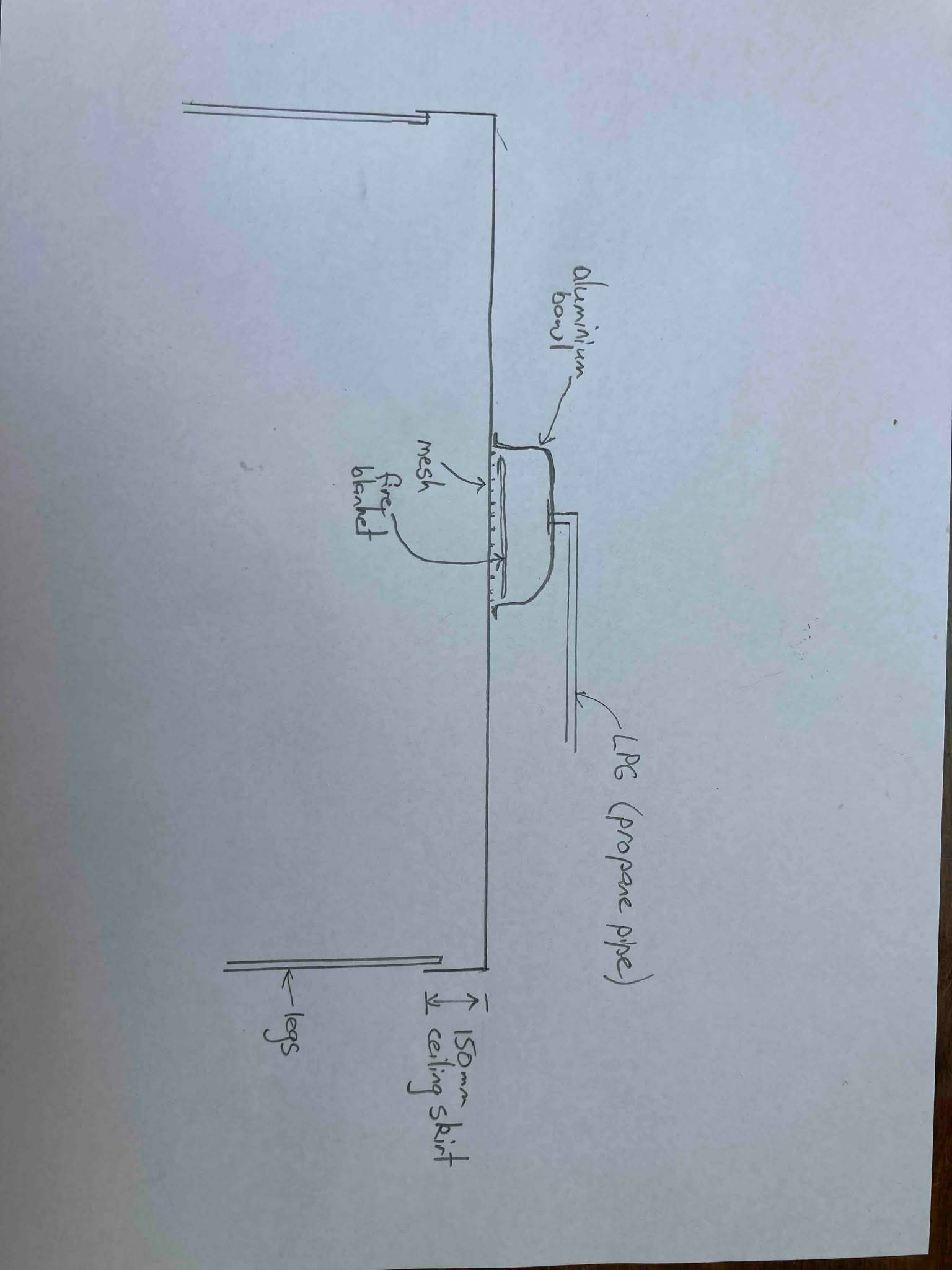
A five-sided steel fire ceiling hanging under the top of the dome. Gas burns in a bowl on top, and the flame spreads out across the underside through a fire blanket. Everything for the project is linked from this page.
1Roadmap
Tick each step when it's done. Your ticks are saved in this browser.
2The pages
Planner
Change the size, and everything updates: 3D view, cut list, piece drawings, angles, sheet layout, mark-out steps, assembly order. Downloads the DXF files for laser cutting.
Open plannerPlans, English / ไทย
Printable A4 plans for the workshop team. Every line in English with the Thai underneath. Built from the planner's sizes. Also saved as a PDF.
Open plans PDFBowl options
Three ways to fix the bowl so the blanket can be changed without scraping off sealant: 1 bolted bowl, 2 swap cartridge, 3 service from below. Gasket materials.
Open bowl optionsGas & parts
Why each part: regulator, pipe size chart, cylinders and water bath, drip leg, quick disconnect, hose rules, fire blanket materials, the blanket cassette, laser shops, tools, gas shops.
Open gas & partsShopping checklist
Every part, fitting, tool and consumable, grouped A–G. Tick boxes, Thai names for shop staff, one shop at a time.
Open checklist3Decided so far
Canopy
Live from the planner's current settings.
Build
- Plain mild steel or Corten, never galvanised.
- Separate roof panels (R) and skirt walls (W), welded. Skirts are nested against their triangles on the sheet, so the eave is one cut.
- Flat top plate for the bowl, with the burner hole.
- Hang from weld-on D-rings on 5 mm pads, every other face, with rated shackles.
- Hem or flat-bar stiffener on the bottom edge. Paint with 600 °C stove paint.
Gas
- Cylinders upright in a water bath, at most 40 °C, never heated.
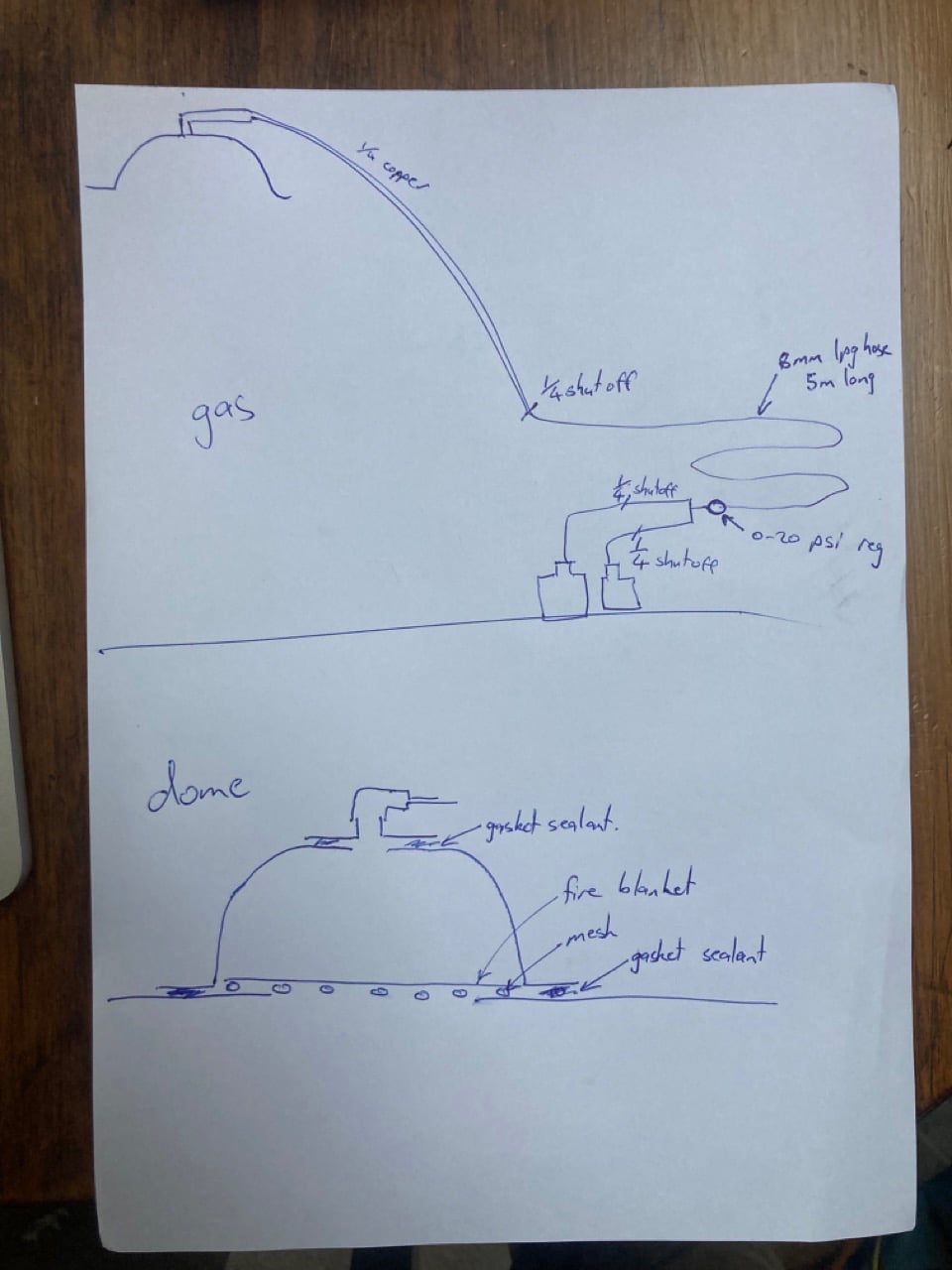
- Adjustable high-pressure regulator (Lucky Flame L-323) + 0–2 bar gauge + emergency ball valve.
- Ground run: NCR 20-bar LPG hose (มอก.) inside black conduit, two clamps on every barb.
- Riser: copper from the foot of the dome to the bowl (heat zone), rising all the way.
- Drip leg at the lowest point. Quick coupler 1 m below the bowl, then braided hose, ball valve and flare union.
- No flashback arrestor needed (gas only meets air under the blanket).
Flame diffuser
- Uncoated 96% silica cloth, 2 layers, Ø 360 mm.
- Not Kevlar: it burns away above ~425 °C. Kevlar is for the heat sleeve and gloves.
- Held by a bolted cassette: mesh + 5 mm stainless ring with 6 spokes, on 6 M8 studs under the top plate, wing nuts and keyhole slots. Keep two.
- Worth testing first: heavy mesh or a laser-cut plate with no cloth at all.
4Still to decide
!Safety, all in one place
- No galvanised steel in the canopy: zinc fumes are toxic. The dome struts and legs are galvanised, so keep them above the canopy and out of the flame. No laser-cut patterns near the top of the canopy.
- Never heat a gas cylinder. Water bath at most 40 °C, valves and safety relief valve above the water, cylinders upright.
- No plastic or rubber near the heat. The hose stays on the ground, inside its conduit. Copper and metal fittings from the foot of the dome up.
- Someone at the emergency valve whenever it burns, unless a flame-failure valve is fitted. LPG is heavier than air and pools if the flame goes out.
- Leak-test every joint with soapy water after any change. Never with a flame.
- First burn on the ground, outdoors, before hanging it. Have the lighter at the blanket, then open the gas slowly.
- Each D-ring and shackle rated for the whole canopy plus the bowl on its own. Lift it a little first and check it hangs level.
- Changing the blanket: gas off, flame out, plate cool. Ceramic fibre sheds, so wear a P2/N95 mask and gloves, and bag the old cloth.
- Dry-powder fire extinguisher by the cylinders, away from the fire.
5People to contact
| For | Who | Contact |
|---|---|---|
| Regulator, quick coupler, braided hose, flame-failure valve | Khuang Singha Gas, Chang Phueak Rd, Chiang Mai | LINE 0895556121 053-212-827 |
| Copper, brass fittings, tools | Jang Yong Heng Seng, Charoen Mueang Rd | LINE jyh8185 053-241-136 |
| Laser cutting, stainless cassette and plate | TK Stainless, Superhighway CM–Lampang | 081-929-5215 FB TKSTAINLESSSTEEL |
| Laser cutting, folding, rolling | Saengphet Metal Products, Saraphi | 089-433-1792 |
| Laser cutting by post (fallback) | Guenter, Bangkok | LINE @guenter.th |
Thai messages ready to paste into LINE: thai-fixer/jobs/fire-umbrella-parts.md. Nothing has been sent yet. Full list in the gas page, sections 7 and 9.
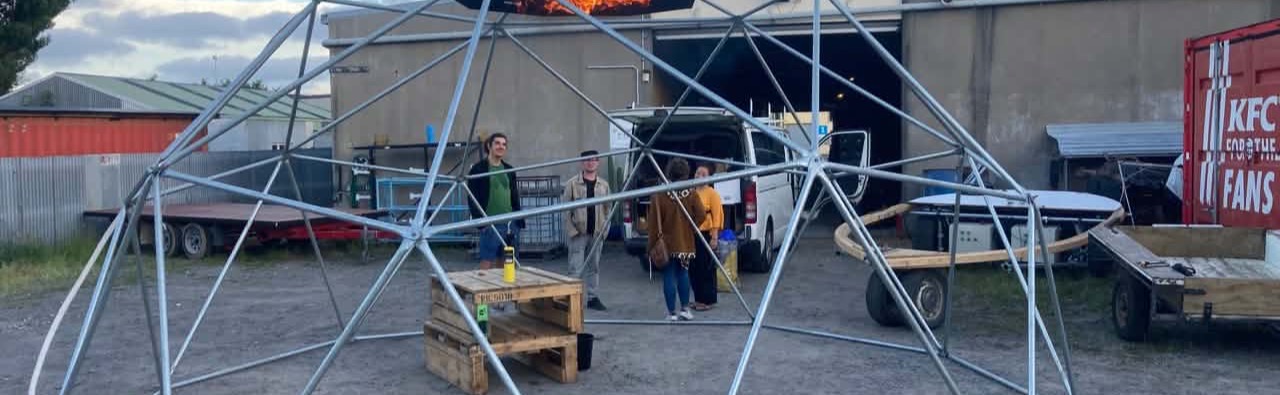
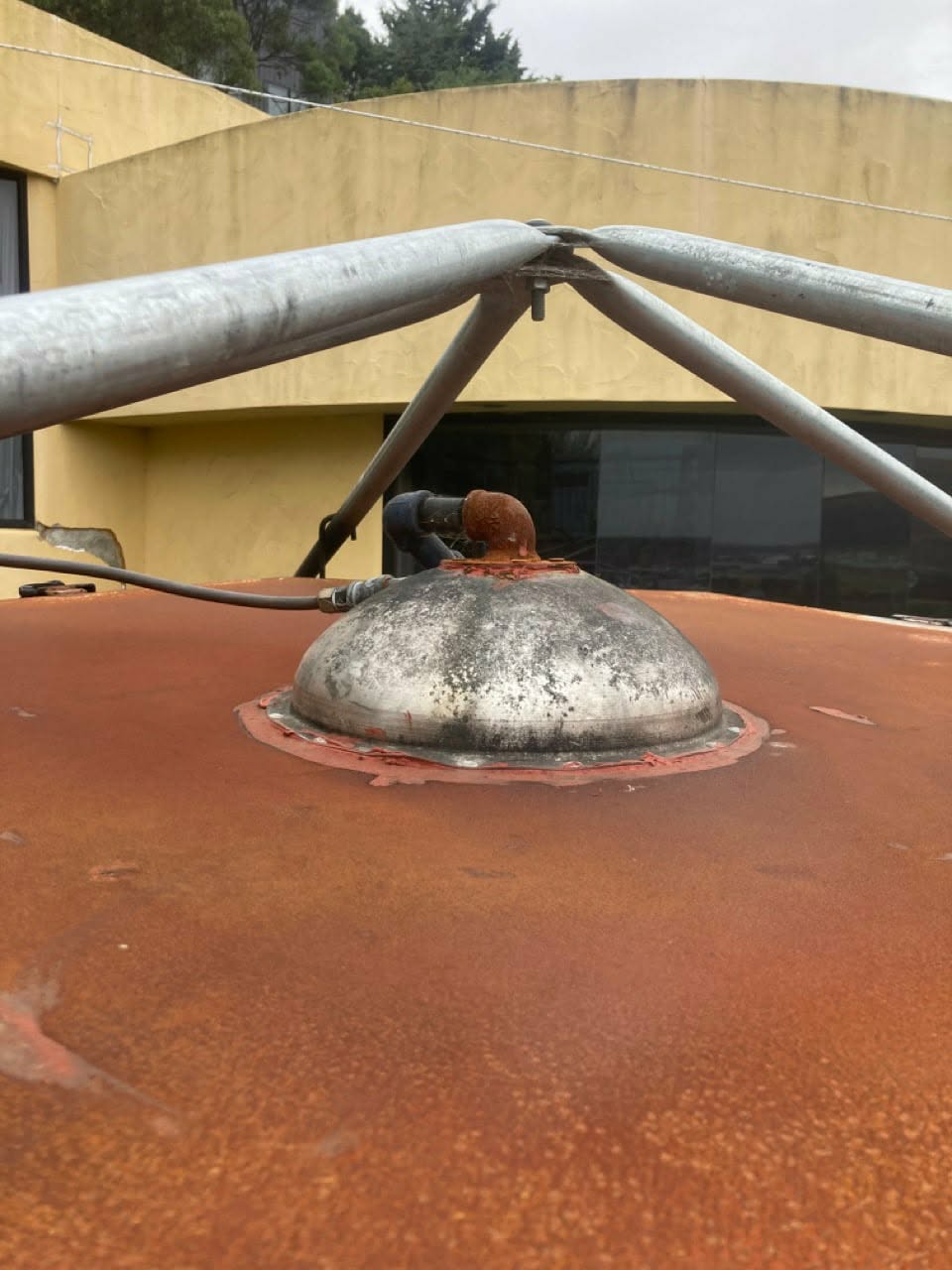
6Where we started
Files in this folder
- home.html this page · index.html planner · plans.html bilingual plans · burner.html bowl options · gas.html gas & parts · parts.html checklist
- geometry.js shared maths, drawings and plan text · nav.js the menu bar on every page
- fire-umbrella-plans-EN-TH.pdf printed plans · ref/ the original photos and sketches
- Saved in git: git log in this folder shows every version; git checkout <file> undoes changes.